
Choosing between open and enclosed car transport is an important part of arranging vehicle shipping. Both methods move vehicles using specialized carriers, but they differ in trailer design, exposure to outside conditions, typical cost, and suitability for certain automobiles.
DriveNestle Auto Transport offers customers in Bakersfield, California, a starting point for understanding these options and selecting a service based on their individual transportation needs.
What Is Open Car Transport?
Open car transport uses a carrier with exposed vehicle platforms. Multiple cars can travel on the same trailer, making this a widely used method for transporting everyday vehicles.
Because open carriers are commonly used across the auto transport industry, they can be a practical option for customers looking to balance cost and convenience.
Advantages of open transport include:
-
A common choice for standard passenger vehicles
-
Often more economical than enclosed shipping
-
Broad use across many transportation routes
-
Suitable for many sedans, SUVs, and pickup trucks
However, vehicles are exposed to outdoor weather and normal road conditions during transportation. This does not automatically mean a vehicle will be damaged, but the method offers less physical enclosure than a covered trailer.
What Is Enclosed Car Transport?
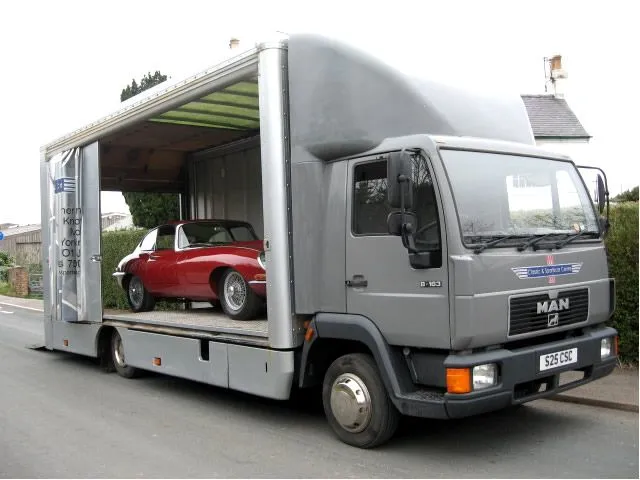
Enclosed car transport uses a covered trailer to shield vehicles from direct exposure to weather and road debris. Depending on the carrier, equipment and loading methods may vary.
This service is often considered for classic automobiles, collectible cars, luxury vehicles, specialty vehicles, and cars with delicate finishes.
Advantages of enclosed transport include:
-
A covered transportation environment
-
Reduced exposure to weather and road debris
-
A suitable option for certain high-value or specialty vehicles
-
Potential access to specialized loading equipment, depending on the carrier
Enclosed shipping typically costs more than open transport. Availability may also be more limited on some routes, and scheduling can depend on the type of trailer and the carrier’s operating area.
Open vs. Enclosed Transport: Key Differences
| Feature | Open transport | Enclosed transport |
|---|---|---|
| Trailer type | Open carrier | Covered trailer |
| Weather exposure | Greater | Reduced |
| Road debris exposure | Greater | Reduced |
| Typical cost | Usually lower | Usually higher |
| Common use | Everyday vehicles | Classic, luxury, and specialty vehicles |
| Availability | Often broader | May be more limited |
Actual pricing, protection, equipment, and availability depend on the specific carrier and shipment.
Which Option Should You Choose?
Open transport may be a good fit if you are shipping a standard vehicle and want a widely available, cost-conscious option.
Enclosed transport may be preferable if you own a classic car, collectible automobile, or specialty vehicle and want additional protection from outside conditions. Consider the vehicle’s value, finish, ground clearance, and any specific handling requirements.
Before deciding, compare written quotes, estimated pickup windows, insurance information, cancellation terms, and the carrier’s procedures for inspecting vehicles at pickup and delivery.
How to Prepare for Either Transport Method
Regardless of your chosen service, remove personal belongings, photograph your vehicle, document existing damage, and disclose any mechanical problems. Confirm whether the vehicle must be operable and whether special loading equipment is needed.
At delivery, inspect the vehicle before completing the paperwork and report any concerns promptly.
Arrange Your Car Shipping with DriveNestle Auto Transport
DriveNestle Auto Transport helps Bakersfield customers explore open and enclosed vehicle shipping options. Discuss your vehicle type, destination, timing, and budget to determine which service best fits your needs.
Visit drivenestleautotransport.us or call (661) 387-3594 to request a quote.