
DriveNestle Auto Transport helps customers explore enclosed car transport for vehicles that may benefit from additional protection during shipping. Using a covered trailer can reduce exposure to weather and road debris, making enclosed transport a suitable option for many classic cars, luxury automobiles, collectible vehicles, and specialty models. Discuss your vehicle's condition, route, and scheduling needs to determine whether enclosed shipping is the right choice.
Some vehicles require additional consideration when they need to travel hundreds or thousands of miles. Classic automobiles, luxury sports cars, collector vehicles, and specialty models may have distinctive finishes, low ground clearance, or other characteristics that make transportation planning especially important.
Enclosed car transport offers a covered shipping environment designed to reduce exposure to outside weather and road debris. DriveNestle Auto Transport helps customers in Bakersfield, California, explore enclosed vehicle shipping options based on their vehicle, destination, and transportation requirements.
Whether you are moving a treasured classic car, transporting a recently purchased luxury vehicle, or arranging interstate delivery for a specialty automobile, understanding enclosed transport can help you make an informed decision.
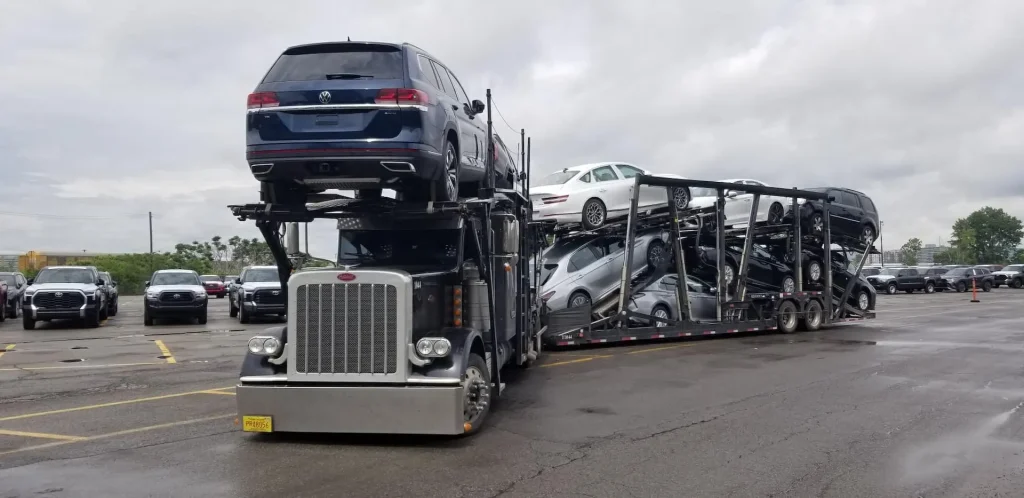
Enclosed car transport uses a covered trailer to carry vehicles during transportation. Unlike open carriers, which leave vehicles exposed to outdoor conditions, enclosed trailers provide a physical barrier between the vehicle and much of the surrounding environment.
Trailer designs and loading equipment vary. Depending on the vehicle and carrier, transportation may involve specialized ramps, liftgates, or other loading equipment.
Although an enclosed trailer reduces certain exposure risks, no transportation method can eliminate every possibility of damage. Customers should review carrier insurance information, inspection procedures, equipment suitability, and the terms of their shipment.
Vehicles transported inside a covered trailer have less direct exposure to rain, sunlight, wind, and other outdoor conditions. This can be particularly appealing for vehicles with delicate paintwork, restored finishes, or specialty materials.
A covered trailer helps shield a vehicle from many road particles and debris that may be encountered during highway travel. This is one reason owners of collectible and high-value automobiles often consider enclosed shipping.
Certain sports cars, luxury vehicles, and classic automobiles have low ground clearance or specific loading requirements. Depending on the carrier’s equipment, enclosed transport may provide a suitable solution.
Always verify that the selected carrier can safely accommodate the vehicle’s dimensions, weight, clearance, and loading requirements.
Enclosed shipping may be appropriate for:
Classic and vintage automobiles
Luxury sedans and premium SUVs
Exotic and high-performance sports cars
Collector and investment vehicles
Restored automobiles
Specialty vehicles with sensitive finishes
Vehicles requiring particular loading equipment
Not every high-value vehicle requires enclosed transport. The right choice depends on your preferences, budget, the vehicle’s condition, and the level of protection you want during transportation.
Customers in Bakersfield may need enclosed transport when relocating, purchasing a specialty vehicle from another state, attending automotive events, or transferring a collectible car between locations.
DriveNestle Auto Transport helps customers identify their requirements and explore available shipping arrangements. Enclosed carrier availability may be more limited than open transport, so advance planning can be especially useful.
When requesting a quote, provide the vehicle’s year, make, model, dimensions where relevant, operating condition, pickup location, delivery destination, and preferred schedule. Mention any lowered suspension, aftermarket bodywork, or other modifications that may affect loading.
Step 1: Describe your vehicle. Share the details of your automobile and any special handling requirements.
Step 2: Request an enclosed transport quote. Provide your route and timing preferences so the service can be evaluated for availability and cost.
Step 3: Confirm carrier suitability. Before booking, verify trailer type, loading equipment, insurance details, pickup arrangements, and the terms of the shipment.
Step 4: Prepare for pickup. Remove personal belongings, photograph the vehicle, disclose mechanical issues, and make keys available as instructed.
Step 5: Inspect upon delivery. Review the vehicle’s condition and compare it with the original inspection report before completing the delivery paperwork.
Enclosed car transport generally costs more than open transport because covered carriers can have different operating costs, vehicle capacities, equipment requirements, and availability.
The price may depend on the route, distance, vehicle dimensions, loading requirements, season, carrier schedule, and pickup or delivery access. A specialized vehicle that requires particular equipment may also affect the quote.
Rather than selecting a provider on price alone, compare the specific service being offered, the carrier’s suitability, applicable insurance coverage, and the agreed transportation terms.
Document the vehicle’s condition with clear photographs before pickup. Remove loose items and personal belongings, secure accessories, and inform the provider about any leaks, mechanical problems, or modifications.
Discuss whether special instructions are needed for vehicles with limited ground clearance or unusual dimensions. Retain copies of the pickup inspection report, booking confirmation, and other shipment records.
DriveNestle Auto Transport helps customers in Bakersfield explore covered vehicle transportation for automobiles that warrant additional care during shipping. We encourage clear communication about vehicle requirements, carrier equipment, pricing, scheduling, and insurance before a shipment is confirmed.
Planning to ship a classic, luxury, or specialty vehicle? Contact DriveNestle Auto Transport at (661) 387-3594 or visit drivenestleautotransport.us to discuss enclosed car transport options.
Find answers to some common questions about car shipping and vehicle transportation.
The cost depends on the pickup and delivery locations, vehicle size, transport method, route demand, carrier availability, and requested schedule. Enclosed transport generally costs more than open transport. Contact DriveNestle Auto Transport with your vehicle and route details to request a quote.
Open transport carries vehicles on an exposed trailer and is typically the more economical option for standard vehicles. Enclosed transport uses a covered trailer to reduce exposure to weather and road debris, making it a potential choice for classic, luxury, and specialty cars.
Door-to-door transport aims to arrange pickup and delivery as close as reasonably possible to your specified addresses. Actual access depends on road conditions, truck size, local restrictions, and safe loading requirements. A nearby meeting location may be necessary in some cases.
Transit time varies depending on distance, route, weather, traffic, carrier availability, and scheduling. Your estimated delivery window should be discussed before booking. Pickup and delivery estimates may change if unexpected circumstances affect the route.
Remove personal belongings and loose accessories, photograph the vehicle's condition, check for fluid leaks, and inform the provider of mechanical issues or modifications. Follow the carrier's instructions regarding fuel level, keys, and vehicle accessibility. Inspect your vehicle at pickup and delivery and retain the condition reports.